How to Choose the Right Roof Sealants and Coatings for Maximum Protection
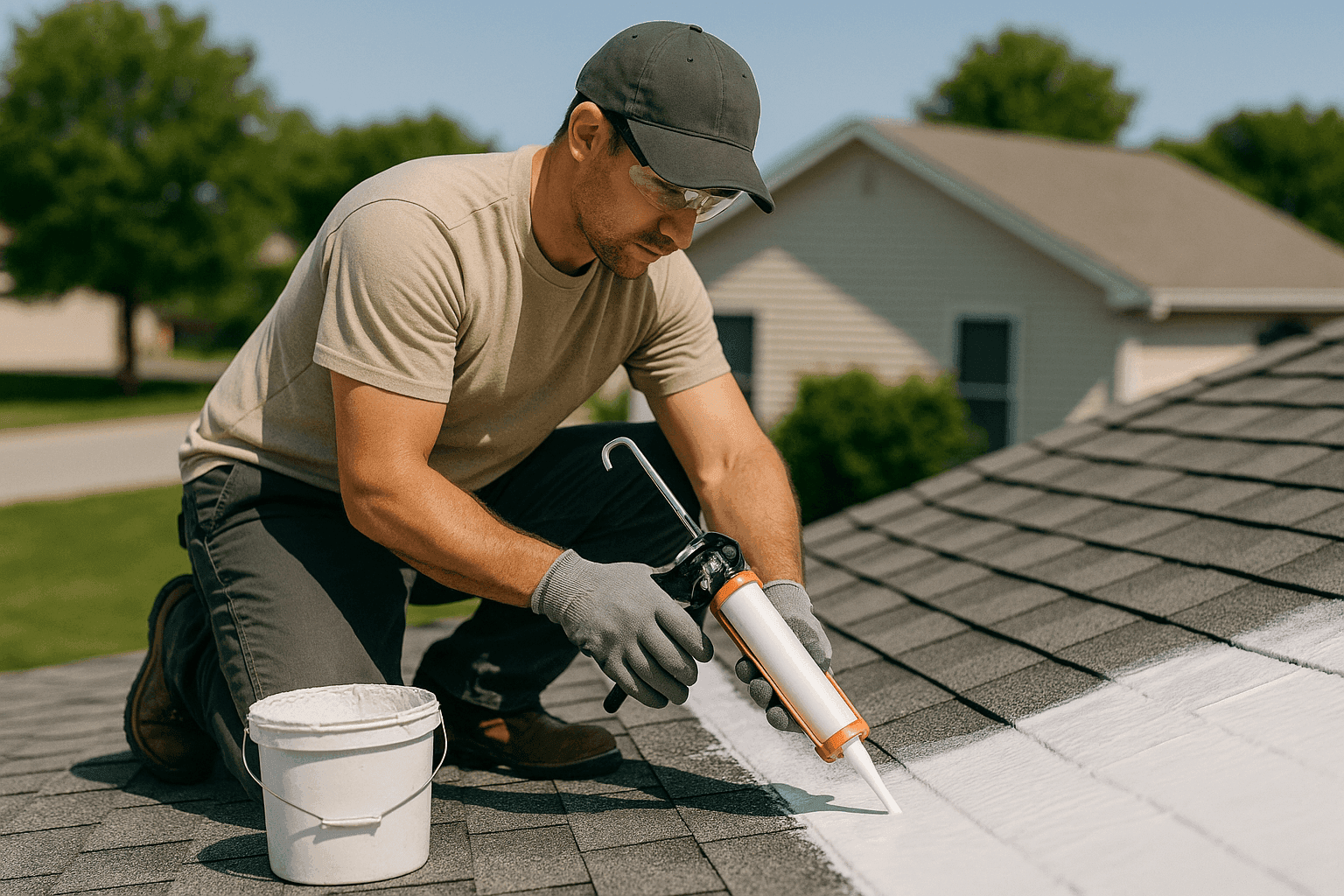
When a storm rolls in or the sun beats down, your roof takes the hit. Homeowners and small business owners know the feeling: a tiny leak, a suspicious stain, or a drafty chill. That’s when the right roof sealants and coatings can make all the difference. At Accurite Roofing, we’ve seen it all—panicked calls after a storm, slow drips that turn into disasters, and the peace of mind that comes from a well-protected roof.
Choosing the right product isn’t just about plugging leaks. It’s about adding years to your roof’s life, saving on energy, and avoiding costly emergency roofing repairs. Let’s walk through what you need to know, step by step.
Why Roof Sealants and Coatings Matter
Think of your roof as your home’s armor. Over time, even the best armor wears thin. Sun, rain, snow, and wind all chip away at shingles, metal, or tiles. That’s where sealants and coatings come in—they’re like a shield, keeping out water, blocking UV rays, and reflecting heat.
A good sealant or coating can:
- Prevent leaks and water damage
- Protect against mold, mildew, and rot
- Improve energy efficiency by reflecting sunlight
- Extend the lifespan of your roof
- Reduce the need for emergency roofing calls
But not all products are created equal. The right choice depends on your roof’s material, your climate, and your needs.
Understanding Roof Sealants and Coatings
Before you shop, let’s break down what these products actually do:
- Sealants: Think of these as caulk for your roof. They fill gaps, cracks, and seams—especially around vents, skylights, chimneys, and flashing.
- Coatings: These are like paint with superpowers. They cover larger areas, forming a protective layer over the whole roof.
Both play a role in keeping your home or business dry and comfortable.
Types of Roof Sealants and Coatings
Choosing the right type can feel overwhelming. Here’s a quick guide to the most common options:
Elastomeric Sealants and Coatings
Imagine a thick, stretchy bandage. Elastomeric products expand and contract with your roof as temperatures change.
Pros:
- Great for roofs that move or flex (like metal)
- Excellent waterproofing
- Can bridge small cracks
Cons:
- Not ideal for every roof type
- May require more frequent touch-ups in harsh climates
Best for: Metal roofs, flat roofs, areas with big temperature swings
Silicone Sealants and Coatings
Silicone is like a raincoat for your roof. It shrugs off water and stands up to sun.
Pros:
- Superb water resistance
- Handles ponding water well
- Long-lasting
Cons:
- Can be slippery when wet
- Usually more expensive
Best for: Flat roofs, areas with heavy rainfall, roofs prone to ponding
Acrylic Coatings
Think of acrylic like sunscreen for your roof. It’s lightweight and reflects sunlight.
Pros:
- Excellent UV protection
- Easy to apply
- Cost-effective
Cons:
- Not as waterproof as silicone
- Can wear down faster in standing water
Best for: Sloped roofs, areas with lots of sun, shingle and metal roofs
Bituminous (Asphalt-Based) Sealants
Old school, but reliable. Bituminous products are thick and sticky—like tar.
Pros:
- Strong adhesion
- Good for patching and repairs
Cons:
- Can get brittle over time
- Messy to apply
Best for: Emergency repairs, older asphalt roofs, flashing and seams
How to Inspect Your Roof for Sealant or Coating Needs
Before you buy anything, take a close look at your roof. Here’s how:
- Start inside: Look for water stains on ceilings or walls.
- Check the attic: Wet insulation or damp rafters are warning signs.
- Walk the perimeter: Use binoculars to spot missing shingles, cracked flashing, or rust.
- Climb up safely (if you’re comfortable): Look for:
- Cracks or gaps in sealant around vents, skylights, and chimneys
- Blistering, peeling, or bare spots on coatings
- Pools of water on flat roofs
If you spot trouble, it’s time to act.
Quick Safety Checklist Before You Start 🛑
Roof work can be risky. Before you climb a ladder or pop open a can of sealant, check these basics:
- Wear sturdy shoes with good grip
- Never work alone—have someone nearby
- Use a stable ladder on level ground
- Avoid roof work in wet, icy, or windy conditions
- Wear gloves and eye protection
- Read product labels and follow all safety instructions
For more, see OSHA’s Fall Protection guidelines and always err on the side of caution.
DIY vs. Call a Pro
Some small jobs—like resealing a vent or patching a minor crack—are within reach for handy homeowners. But if you’re dealing with:
- Large or steep roofs
- Persistent leaks
- Storm or hail damage
- Unfamiliar materials (like metal or tile)
It’s safer and smarter to call in professionals. Accurite Roofing crews have the training, equipment, and experience to tackle emergency roofing situations and routine maintenance alike.
What Pros Do On Arrival
When you call Accurite Roofing, here’s what happens next:
- Inspection: We check the roof inside and out, looking for damage, weak spots, and signs of water intrusion.
- Material Match: We choose sealants and coatings tailored to your roof’s material and your climate.
- Prep Work: Surfaces are cleaned, dried, and primed if needed. Old, cracked sealant is removed.
- Application: We apply products evenly, focusing on vulnerable areas—flashing, seams, vents, and valleys.
- Final Check: Once dry, we inspect again to make sure every gap is sealed and your roof is protected.
Step-by-Step Application Tips for Homeowners
If you’re tackling a small project, here’s how to do it right:
- Clean the Area: Remove dirt, debris, and old sealant.
- Dry Completely: Moisture can ruin adhesion.
- Apply in the Right Weather: Aim for dry, mild days—no rain in the forecast.
- Follow Directions: Use the right tools (brush, roller, caulk gun) and apply in thin, even layers.
- Don’t Rush: Allow each layer to dry fully before adding another.
- Check Your Work: Inspect for missed spots or bubbles.
Remember, always follow the manufacturer’s instructions and safety precautions.
Prevention & Maintenance
A little attention goes a long way. Here’s how to keep your roof in good shape:
- Inspect twice a year: Spring and fall are best.
- Clear gutters and downspouts: Prevents water backup and ice dams.
- Trim overhanging branches: Reduces debris and damage risk.
- Check after storms: Look for new leaks, missing shingles, or damaged coatings.
- Reapply sealants as needed: Every few years, or sooner if you notice wear.
Regular upkeep can spare you from emergency roofing calls and big repair bills.
Costs & Time Factors
Every roof is different, so costs and timelines vary. Here’s what to expect:
- DIY sealant tubes: Inexpensive, but best for small jobs
- Professional coatings: More costly, but cover large areas and last longer
- Time: Small patches can take an hour or two; full coatings may require a day or more, plus drying time
Consider your roof’s size, material, and condition when planning your project.
When It’s an Emergency
Sometimes, roof problems can’t wait. If you notice:
- Active leaks during a storm
- Large sections of missing or damaged coating
- Water pooling inside your home or business
Take these steps:
- Move valuables and electronics away from leaks.
- Place buckets or towels to catch drips.
- Call Accurite Roofing immediately for emergency roofing services.
Temporary patches can help, but lasting repairs need professional attention.
FAQ: Roof Sealants and Coatings
How often should I reapply roof sealant or coating?
Most products last between 3–10 years, depending on weather, roof type, and quality. Inspect annually and touch up as needed.
Can I use the same product on every roof?
No. Asphalt, metal, tile, and flat roofs all have different needs. Always choose products made for your roof’s material.
Is it safe to do this myself?
Small jobs can be DIY-friendly if you follow safety rules. For large, high, or steep roofs, or if you’re unsure, play it safe and call a professional.
Do coatings help with energy bills?
Yes! Reflective coatings can lower attic temperatures and reduce cooling costs, especially in sunny climates.
Special Considerations for This Service
- Climate matters: Humid or rainy areas need waterproof products; sunny spots benefit from UV-blocking coatings.
- Building codes: Some areas require specific products or application methods. Always check local codes or consult with a licensed roofer.
- Eco-friendly options: Many modern sealants and coatings are low-VOC and environmentally safe—great for green-minded homeowners and business owners.
- Emergency roofing: Quick fixes are sometimes needed after storms, but always follow up with a thorough inspection and permanent repair.
Your roof protects everything you value. The right sealants and coatings can mean the difference between a quick fix and a costly disaster. If you’re unsure what your roof needs—or you need help right away—reach out.
Call Accurite Roofing now — or reach us anytime at 888-979-2050 .