How to Choose the Right Roof Ventilation and Insulation for Your Home
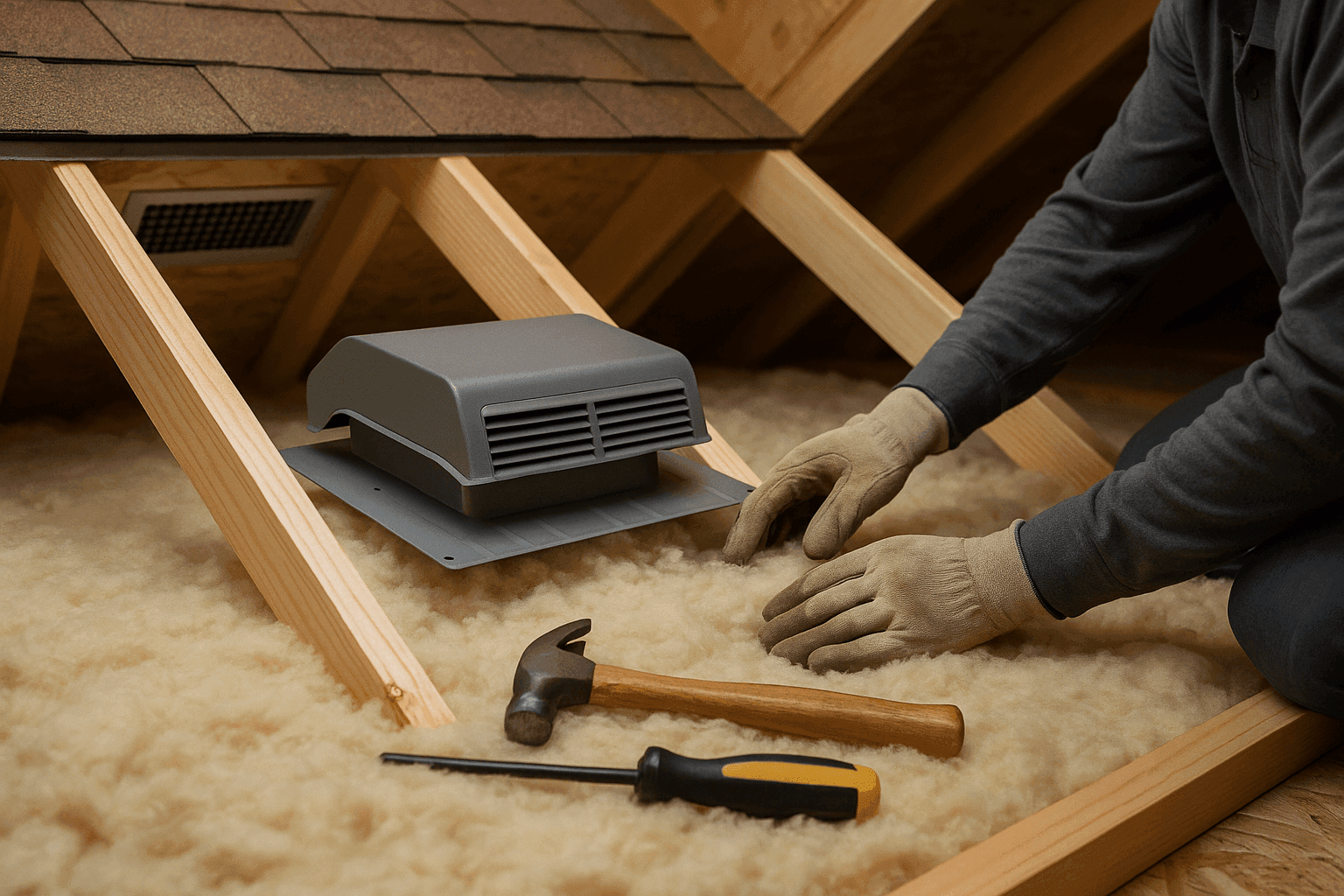
Is your home too hot in summer, freezing in winter, or plagued by mysterious moisture? You’re not alone. The right roof ventilation and insulation can be the difference between comfort and chaos—especially when the weather turns wild.
At Accurite Roofing, we’ve seen how proper ventilation and insulation save roofs, wallets, and peace of mind. Let’s break down what you need to know, so you can make smart choices that protect your home or business year-round.
Why Roof Ventilation and Insulation Matter
Think of your attic as your roof’s lungs. Without good airflow and insulation, your building can’t breathe. Moisture gets trapped. Temperatures spike or plummet. Over time, this leads to mold, warped decking, peeling paint, or even structural damage.
Well-designed ventilation and insulation work together to:
- Prevent moisture buildup (the silent roof killer)
- Lower heating and cooling bills
- Stop ice dams in winter and heat blisters in summer
- Extend the lifespan of your roofing materials
Ignoring these systems is like leaving your front door open during a storm—nature finds a way in.
Types of Roof Ventilation Systems 🌀
Not all vents are created equal. Here are the main types you’ll encounter:
Ridge Vents
These run along the peak of your roof, letting hot air escape naturally. They’re subtle—almost invisible from the ground—but powerful.
Soffit Vents
Installed under the eaves, soffit vents draw in cool air from outside. Paired with ridge vents, they create a steady flow that pushes out heat and moisture.
Turbine Vents
You’ve seen these spinning on rooftops. Wind-powered, they pull hot air up and out. Great for boosting airflow, especially in older buildings.
Gable Vents
Mounted on the ends of attics. They help, but alone, they’re rarely enough for modern homes.
Tip: The best system often combines several types, tailored to your roof’s shape and your climate.
Insulation Materials: What’s in Your Attic?
Insulation acts like a blanket for your home. The right material keeps conditioned air in and the elements out.
- Fiberglass Batts: The classic pink or yellow rolls. Affordable, easy to install, and fire-resistant.
- Spray Foam: Expands to seal gaps. Excellent at blocking air leaks but needs professional handling.
- Cellulose: Made from recycled paper, treated for fire resistance. Eco-friendly and effective.
- Rigid Foam Boards: Good for flat roofs or special applications.
Each has pros and cons for cost, R-value (insulation strength), and installation method. The U.S. Department of Energy recommends attic insulation R-values between R-30 and R-60, depending on climate.
What Happens Without Good Ventilation or Insulation?
You might notice:
- High energy bills without explanation
- Musty smells or visible mold in the attic
- Ice dams forming at the roof edge in winter
- Peeling paint or warped wood near the roofline
- Shingles curling or cracking
Small warning signs can lead to big headaches—think emergency roofing calls in the middle of a storm.
Quick Safety Checklist
Before tackling attic work, keep these safety basics in mind:
- Wear gloves, long sleeves, and a dust mask (insulation fibers itch and irritate)
- Use a sturdy ladder and never step between ceiling joists
- Turn off attic power circuits to avoid electrical hazards
- Watch for pests or exposed nails
- If you see mold or suspect asbestos, stop and call a professional
DIY or Call a Pro?
Some ventilation and insulation jobs look simple—until you’re crawling through itchy fiberglass or balancing on rafters. Here’s a quick guide:
- DIY Friendly: Adding fiberglass batts, installing baffles, replacing a vent cap
- Call a Pro: Spray foam, large-scale upgrades, fixing structural issues, or dealing with leaks and mold
Remember, mistakes can cost more than they save. A missed vent or poorly installed insulation can turn a quick fix into an emergency roofing situation.
What Pros Do On Arrival
When Accurite Roofing arrives for an inspection or emergency call, here’s what you can expect:
- Thorough Inspection: We check attic airflow, insulation depth, and look for signs of moisture or animal intrusion.
- Identify Trouble Spots: Locating blocked vents, compressed insulation, or hidden leaks.
- Moisture Testing: Using meters to spot trapped water before it does damage.
- Recommendations: Clear, no-nonsense advice based on what your building actually needs.
Our technicians follow guidelines from the International Residential Code (IRC) and National Roofing Contractors Association (NRCA) to ensure your roof meets or exceeds safety standards.
Prevention & Maintenance Tips
A little attention goes a long way. Here’s how to keep your ventilation and insulation working hard:
- Inspect Attics Twice a Year: Look for damp spots, mold, or insulation settling.
- Clear Vents: Remove leaves, nests, or insulation blocking airflow.
- Seal Gaps: Weather-strip attic hatches and seal around pipes to stop air leaks.
- Check After Storms: High winds can damage vents or shift insulation, inviting problems.
Routine maintenance beats emergency roofing repairs every time.
Costs & Time Factors
Every roof is unique, so costs and timelines vary. Here’s what can affect your project:
- Size and Accessibility: Larger attics or hard-to-reach spaces take more time.
- Material Choice: Spray foam costs more than fiberglass but can save on energy bills.
- Existing Damage: Mold, leaks, or structural repairs add complexity.
- Emergency Calls: After a storm or sudden leak, rapid response may involve higher costs.
Most insulation upgrades take a day or two, while complex ventilation fixes can stretch longer—especially if structural work is needed.
When It’s an Emergency
Sometimes, you can’t wait. If you notice:
- Water dripping from light fixtures
- Sagging ceilings
- Strong, musty odors after a storm
- Sudden spikes in heating or cooling bills
These are red flags. Call for emergency roofing help right away. Quick action can prevent thousands in damage and keep your home or business safe.
Frequently Asked Questions
How do I know if my attic is properly ventilated?
Feel for temperature swings—if your attic is much hotter or colder than the rest of your home, airflow may be lacking. Look for rusted nails or mold. A professional inspection is the surest way to know.
Can too much insulation cause problems?
Yes. Over-insulating can block vents and trap moisture, leading to mold or rot. Balance is key—enough to insulate, but not so much that airflow stops.
What’s the best ventilation system for flat roofs?
Flat roofs need special solutions like low-profile vents or mechanical ventilation. The right answer depends on your roof’s construction and use.
How often should roof vents and insulation be checked?
Twice a year is a good rule—before summer heat and after winter storms. Always check after severe weather or if you notice signs of trouble.
Special Considerations for Your Building
Every home and business is unique. Older buildings may need upgraded insulation to meet today’s standards. Metal and tile roofs require different venting approaches than shingle roofs. Commercial properties, with flat roofs or complex layouts, often need custom solutions.
If you’re planning new construction, now is the best time to design an efficient ventilation and insulation system. For existing buildings, upgrades can be phased in to minimize disruption.
Take Control of Your Comfort and Roof Health
Don’t let poor ventilation or insulation put your property at risk. With the right combination, you can save money, boost comfort, and avoid emergency roofing headaches—no matter what the weather throws your way.
Call Accurite Roofing now — or reach us anytime at 888-979-2050 .