How to Safely Handle Emergency Roof Leaks Before Professional Help Arrives
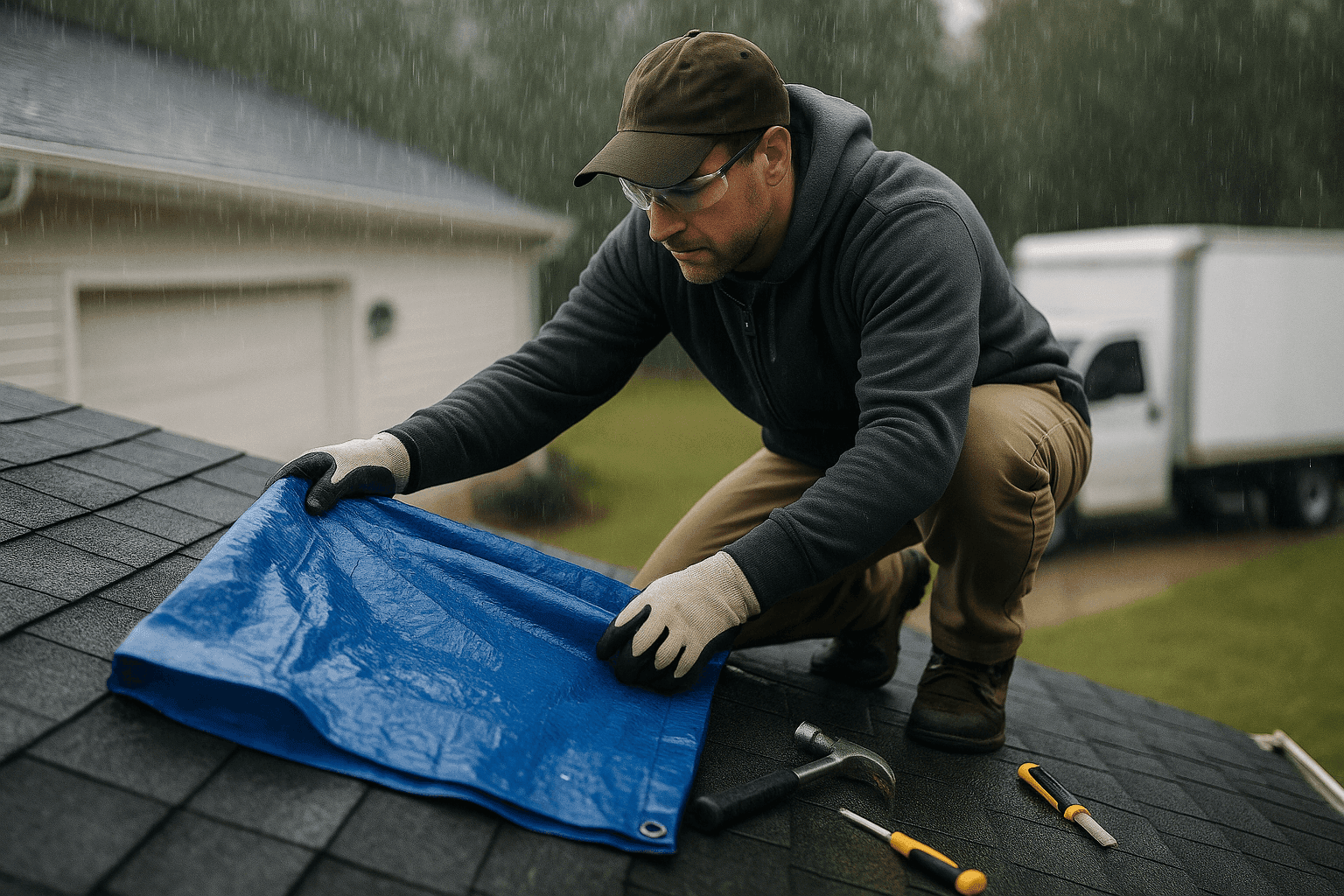
When water starts dripping from your ceiling, it can feel like the sky itself is falling. Roof leaks don’t wait for a convenient time—they strike during storms, at midnight, or when you’re miles from a ladder. If you’re facing a sudden leak, you’re not alone. Accurite Roofing has helped thousands of homeowners and business owners manage emergencies like this, day or night.
Quick action is key. But safety comes first. Here’s how you can protect your space and your peace of mind while waiting for a professional emergency roofing crew.
Identifying the Source of the Leak Safely 🕵️
Finding where water is sneaking in is like chasing a shadow—tricky, but not impossible. The source isn’t always right above the drip. Water can travel along beams, wires, or insulation before it shows itself.
Start with these steps:
- Look for obvious signs: Water stains, bulging paint, or soggy spots on ceilings and walls.
- Listen: Sometimes you’ll hear a faint drip or the sound of water running inside the wall.
- Use a flashlight: Shine it along the ceiling and attic floor to spot glistening trails or damp insulation.
Safety Precautions
- Never climb onto a wet or icy roof. Slippery surfaces are dangerous, especially during storms or freezing weather.
- Stay off ladders during high winds or lightning.
- Turn off electricity to affected areas. Water and wires are a dangerous mix.
If it’s safe, peek into your attic. But if you see sagging ceilings or hear creaking, stay out. Structural damage can happen fast.
Immediate Steps to Minimize Water Damage
Every drop adds up. The faster you act, the less cleanup you’ll face.
Protecting Your Home’s Interior
- Move valuables: Slide electronics, furniture, and important items out of the drip zone.
- Use buckets or containers: Place them under leaks to catch water.
- Lay down towels or plastic sheets: These slow water from soaking into floors or carpets.
- Poke a small hole in bulging ceiling paint to let water drain safely into a bucket. This prevents a sudden burst.
Tips for Business Owners
Protect computers, files, and inventory. Cover desks or shelving with plastic sheeting if you have it on hand.
Preventing Mold and Odors
- Wipe up standing water quickly.
- Open windows and doors if the weather allows, to help dry things out.
Using Temporary Sealants and Protective Covers
Sometimes, you need a quick fix to buy time before help arrives. Think of it like putting a bandage on a wound—it won’t heal the problem, but it can stop things from getting worse.
Tools and Materials for Temporary Repairs
- Plastic tarps: The go-to for covering large roof sections. Secure with heavy objects or rope.
- Roofing tape or patch kits: These can seal small holes or cracks.
- Waterproof sealant: Squeeze into visible gaps if conditions are safe.
- Heavy-duty garbage bags: In a pinch, they can be taped over attic leaks.
How to Cover a Leak Safely
- Don’t go outside during storms or at night.
- If you must access the roof, wait for dry, daylight hours.
- Always work with someone else nearby.
Lay the tarp over the leaky area, stretching it several feet beyond the damage. Anchor the edges with boards, bricks, or sandbags. Avoid using nails or screws in wet wood—they won’t hold well.
Seasonal Considerations
- Winter: Watch for ice dams—chunks of ice that force water under shingles. Use a roof rake (from the ground) to remove snow, never climb up.
- Storm season: High winds can rip tarps loose. Add extra weights and check often if it’s safe to do so.
When to Evacuate or Call Emergency Services 🚨
Some leaks are more than a nuisance—they can signal real danger.
Evacuate or call for help if:
- The ceiling is sagging or cracking, hinting at collapse.
- Water is pouring near electrical panels or outlets.
- You smell gas, hear popping sounds, or notice sparks.
- Structural beams or walls are shifting, especially after a storm.
Your safety is always the top priority. When in doubt, get everyone out and call emergency services.
Quick Safety Checklist
- [ ] Turn off electricity in affected areas.
- [ ] Move valuables and electronics.
- [ ] Place buckets or containers under leaks.
- [ ] Use towels or plastic to protect floors.
- [ ] Avoid climbing on wet or icy roofs.
- [ ] Call a professional if the leak is severe or you notice structural issues.
DIY vs. Calling a Pro
It’s tempting to fix things yourself. But emergency roofing repairs aren’t like patching a leaky faucet. Roofs are high, slippery, and unpredictable—especially in bad weather.
DIY is okay for:
- Placing buckets and towels.
- Covering small leaks with tarps (from inside, if safe).
- Applying temporary sealants to accessible areas.
Leave it to the pros if:
- The leak is large or spreading fast.
- There are signs of structural damage.
- You can’t safely reach the source.
Accurite Roofing responds 24/7 to emergency calls. Our team brings the right tools, materials, and know-how to make safe, lasting repairs.
What Pros Do On Arrival
When our crew arrives, they’ll:
- Assess the situation for safety, following OSHA and National Roofing Contractors Association (NRCA) guidelines.
- Identify the leak’s true source, even if it’s hidden.
- Make temporary repairs to stop water intrusion.
- Document the damage for insurance.
- Schedule a follow-up for permanent repairs.
Professionals have harnesses, ladders, and materials to work safely in all weather. They know how to spot hidden hazards, from weakened decking to compromised insulation.
Prevention & Maintenance
An ounce of prevention is worth a pound of buckets. Regular roof inspections and maintenance can stop most leaks before they start.
Simple steps:
- Inspect your roof twice a year, or after big storms.
- Clean gutters and downspouts to keep water flowing away.
- Trim overhanging branches that can damage shingles.
- Check attic insulation for signs of moisture.
Accurite Roofing offers inspections, gutter cleaning, and preventative maintenance to keep your roof ready for anything.
Costs & Time Factors
Emergency repairs can feel urgent, but costs and timing vary based on:
- Extent of damage: Small leaks are faster and less costly to patch than large or multiple leaks.
- Weather conditions: Storms or freezing temperatures may slow repairs.
- Material availability: Some fixes require special materials or tools.
Temporary repairs are usually quick—often under an hour. Permanent repairs or replacements may take a day or more, depending on the issue.
When It’s an Emergency
Not all leaks are created equal. Here’s when you’re facing a true roofing emergency:
- Water is entering rapidly, soaking walls, ceilings, or floors.
- There’s risk of electrical shock or fire.
- The structure is compromised or unsafe.
- Mold is starting to grow after prolonged leaks.
If in doubt, treat it as an emergency and call for help.
FAQ
How do I know if my roof leak is serious?
If water is coming in fast, the ceiling is sagging, or you see electrical hazards, treat it as serious. Minor drips can wait, but rapid leaks or safety concerns require immediate action.
Can I use duct tape or household glue?
Duct tape might slow a tiny drip for a few minutes, but it’s not waterproof. Use roofing tape, tarps, or sealant designed for wet weather.
Should I climb on the roof to fix it?
No. Wet, icy, or stormy roofs are dangerous. It’s safer to wait for professional help unless you can access the area from inside.
What if the leak happens during a snowstorm or freeze?
Stay inside. Use a roof rake from the ground to remove snow if safe. Call a professional for ice dam removal or repairs.
Special Considerations for Emergency Roofing
- Storms: Wind can lift shingles, blow debris, and create new leaks. Check your roof after every major storm.
- Flat roofs: Water pools easily. Look for clogged drains or seams coming apart.
- Metal and tile roofs: Leaks often start at seams, flashing, or fasteners. These require specialized repair materials.
- Skylights and chimneys: Flashing can fail or shift, letting water through. Temporary covers can help until repairs are made.
Every roof is different. But the basics—safety first, act fast, call for help—never change.
When the rain is pouring in, don’t wait. Call Accurite Roofing now — or reach us anytime at 888-979-2050 .